
Behavior Conversations: Why is the Why Important? At KIT, we are always asked how to support children's behavior. Since every child and situation is different, there isn't one simple answer. Join KIT staff as we discuss the lessons we've learned about how to support behavior. In this session, we'll discuss the process of learning the "why" behind the behavior. Please note that in order to receive a certificate, you will need to watch and view the resources, engage with the materials (click), pass the quiz, and complete the survey. Read more
Rating
Difficulty
Content
Price


Biting: The Developmental Stage Biting is one of the top challenges teachers identify to KIT. In this webinar, participants will learn why they should expect young children to sometimes bite, with some focus on why older children may bite, as well as how to reduce biting and how to respond once a bite has occurred. Please note that in order to receive a certificate, you will need to watch and view the resources, engage with the materials (click), pass the quiz, and complete the survey. Read more
Rating
Difficulty
Content
Price

Connect and Redirect: A Strategy to Support Behavior This eModule is designed for program staff to understand the brain basics behind a child’s challenging or concerning behavior and learn to use the six steps of the connect and redirect strategy in their response. This strategy will help you acknowledge the child, offer support, and redirect their behavior. Read more
Rating
Content
Price

Coping Skills for Tweens & Teens The Tween (9-12) and Teen (13-18) years can be a stressful time in life. It’s the perfect time for parents, teachers, and involved adults to teach tweens and teens problem-solving skills, how to regulate emotions, and positive coping mechanisms. Learning and applying these skills are necessary for teens to become responsible and productive adults in the community. Tweens and teens who don’t learn how to cope with stress find destructive ways to deal with issues in their lives, such as eating disorders, self-inflicted injuries, teen violence, drinking and drug use, sex and other risky behaviors. Join us to learn how you can help tweens and teens learn coping skills in your program. Please note that in order to receive a certificate, you will need to watch and view the resources, engage with the materials (click), pass the quiz, and complete the survey. Read more
Rating
Content
Price
.jpg)
Creating Movement Opportunities Indoors Sometimes we don't get the opportunity to get outside as much as we would like, while some children may not perform well if they don't "get extra energy out" throughout their day. In this webinar, we will focus on ways we can create opportunities for movement within the confines of our program indoor spaces. Please note that in order to receive a certificate, you will need to watch and view the resources, engage with the materials (click), pass the quiz, and complete the survey. Read more
Rating
Content
Price
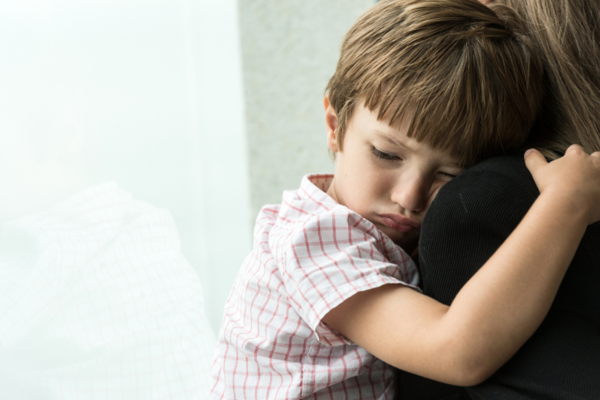
De-Escalating Unsafe Behavior This learning journey collectively serves as a guide to de-escalating unsafe behaviors - proactively and in the moment. The first micro-learning video introduces different levels of behavior and offers insights into approaching each one. The second micro-learning video details step-by-step approaches, emphasizing a “CALM” approach, for effectively addressing unsafe behavior. The third micro-learning video advocates for a mindful approach, focusing on proactive measures, teaching self-regulation, and integrating mindful minutes to prevent and de-escalate unsafe behaviors. Together, they provide a holistic perspective on helping youth navigate unsafe situations. Read more
Rating
Content
Price
Shopping Cart
Your cart is empty